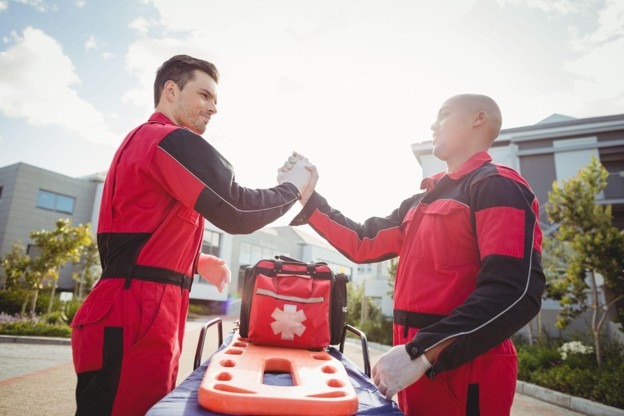
Every community benefits from effective emergency response, and David Ohnstad recognizes that long-term public safety depends just as much on preparation as it does on reacting when incidents occur. While emergency responders play a critical role during crises, the work that takes place before an emergency often determines how successfully people, organizations, and communities navigate unexpected events.
Preparedness is rarely as visible as emergency response. It does not usually make headlines or attract widespread attention, yet it creates the foundation that allows communities to respond with confidence when challenges arise. Planning, training, communication, and collaboration all contribute to resilience long before an emergency ever takes place.
Emergency Response Is Only One Part of Public Safety
When people think about public safety, they often picture firefighters responding to fires, law enforcement officers managing dangerous situations, or emergency medical professionals providing urgent care.
These responsibilities remain essential, but they represent only one stage of a much larger process.
Comprehensive public safety also includes:
- Risk assessment
- Community education
- Emergency planning
- Resource coordination
- Interagency collaboration
- Continuous training
Each of these efforts strengthens a community’s ability to respond effectively to emergencies.
Preparedness Begins with Understanding Local Risks
Every community faces different challenges.
Some areas may experience severe weather.
Others may encounter transportation incidents, infrastructure disruptions, public health concerns, or seasonal hazards.
Understanding these local conditions allows organizations to develop preparation efforts that reflect the realities of their communities instead of relying on generic plans.
Effective preparedness starts with asking practical questions:
- What hazards are most likely?
- Which populations may require additional assistance?
- What resources are already available?
- Where do potential gaps exist?
The answers help shape planning that is both realistic and adaptable.
Planning Creates Confidence Before Difficult Decisions
Emergencies often require quick decisions.
Planning reduces uncertainty by allowing important discussions to happen before time becomes limited.
Preparation may include:
- Defining organizational responsibilities
- Establishing communication procedures
- Identifying available equipment
- Coordinating with partner agencies
- Reviewing evacuation or shelter plans
When these conversations occur in advance, organizations spend less time determining what should happen and more time carrying out well-developed plans.
Training Strengthens More Than Technical Skills
Preparedness depends upon continuous learning.
Training allows individuals to practice responsibilities before facing real-world situations.
Beyond technical instruction, training also strengthens:
- Decision-making
- Communication
- Leadership
- Teamwork
- Situational awareness
These qualities become increasingly valuable when circumstances evolve rapidly.
Regular exercises also help organizations identify areas where additional improvements may be beneficial.
Community Education Is an Essential Part of Preparedness
Prepared communities are not built solely through government agencies or emergency responders.
Residents also play an important role.
Public education encourages individuals and families to understand:
- Emergency notification systems
- Household preparedness
- Basic safety planning
- Local resources
- Reliable information sources
When community members know what to expect and how to prepare, they become active participants in resilience rather than passive observers during emergencies.
Collaboration Makes Communities More Resilient
Preparedness succeeds when organizations work together before they are required to respond together.
Collaboration may involve:
- Public safety agencies
- Local governments
- Schools
- Healthcare providers
- Nonprofit organizations
- Community volunteers
These partnerships improve communication while helping organizations understand each other’s capabilities and responsibilities.
Strong relationships established during routine operations often lead to better coordination during unexpected events.
Preparation Helps Reduce Confusion
One of the greatest challenges during emergencies is uncertainty.
Preparation minimizes confusion by establishing clear expectations before incidents occur.
Organizations benefit from identifying:
- Leadership responsibilities
- Communication channels
- Resource availability
- Decision-making processes
- Operational priorities
When these systems already exist, responders can devote greater attention to addressing the emergency itself.
Learning After Every Event
Preparedness is never complete.
Every emergency, training exercise, or community project creates opportunities to improve.
Organizations frequently evaluate:
- What worked effectively?
- Which procedures need refinement?
- Were communication systems sufficient?
- Did coordination occur smoothly?
- What lessons should shape future planning?
This commitment to continuous improvement helps preparedness evolve alongside changing community needs.
Public Trust Grows Through Consistent Preparation
Communities often recognize effective emergency response, but confidence is also built through the work that happens long before emergencies occur.
Residents appreciate organizations that consistently demonstrate:
- Transparency
- Professionalism
- Organization
- Collaboration
- Commitment to improvement
Preparedness reflects a long-term investment in public confidence rather than a short-term response to isolated incidents.
Preparedness Requires Ongoing Commitment
Planning cannot remain static.
Communities continue to change through population growth, technological advancement, infrastructure development, and emerging risks.
Maintaining preparedness requires organizations to review regularly:
- Emergency plans
- Training programs
- Communication procedures
- Resource allocation
- Partnership opportunities
Small adjustments made consistently often produce significant long-term improvements.
The Federal Emergency Management Agency identifies preparedness as a continuous cycle of planning, organizing, training, equipping, exercising, evaluating, and improving capabilities to manage emergencies effectively, reinforcing that resilience is built well before disasters occur.
Prevention Often Creates the Greatest Long-Term Value
While emergency response addresses immediate challenges, preparation frequently prevents smaller issues from becoming larger ones.
Communities that prioritize preparedness are often better positioned to:
- Recover more efficiently
- Coordinate resources effectively
- Protect vulnerable populations
- Reduce operational disruptions
- Strengthen long-term resilience
These benefits may not always receive public attention, but they contribute significantly to overall community well-being.
Final Thoughts
Responding effectively during emergencies will always remain an essential responsibility for public safety professionals. Equally important, however, is the work that takes place before emergencies ever occur. Careful planning, ongoing training, community education, and strong partnerships provide the structure that allows organizations to respond confidently when challenges arise.
Preparedness is not a one-time project or a checklist that is completed and forgotten. It is an ongoing commitment to learning, improving, and strengthening the systems that protect communities every day. By investing in preparation as consistently as in emergency response, organizations create safer, more resilient communities that are better equipped to face whatever challenges the future may bring.
